 Terry David
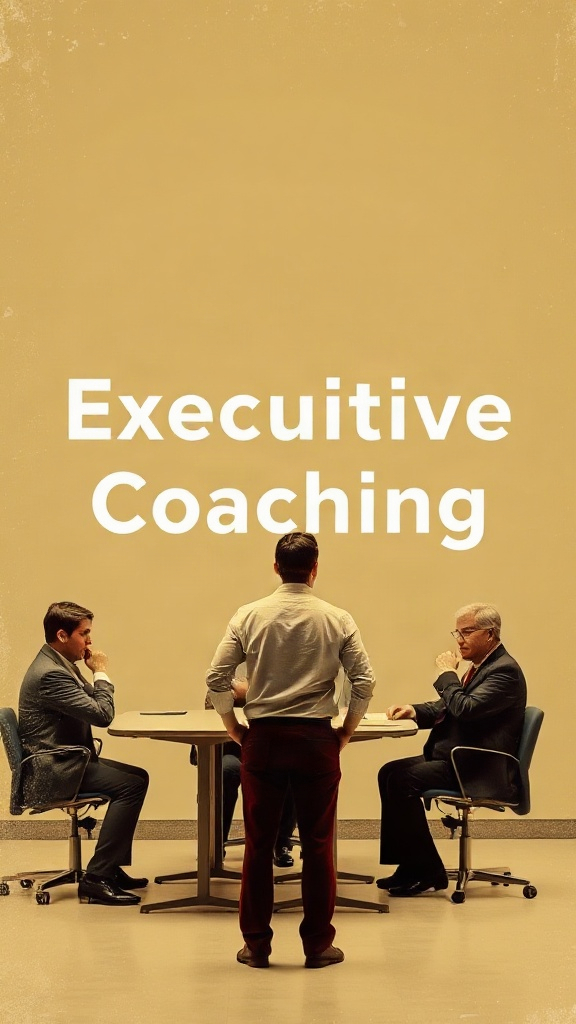
Executive coaching has evolved from an occasional perk for top leaders into a strategic tool for sustained organizational performance. When applied with clarity and measurement, coaching accelerates behavioral change, strengthens decision-making, and creates a ripple effect across teams and culture.
Why executive coaching matters
– Behavioral transformation: Coaching focuses on changing habits and mindsets rather than just transferring knowledge. That change drives better leadership presence, resilience, and conflict management.
– Measurable impact: Modern coaching links to business outcomes—improved team engagement, higher retention, faster decision cycles, and clearer strategic alignment.
– Scalable leadership pipeline: Investing in leaders today builds successor readiness and reduces risk during transitions.
What effective executive coaching looks like
– Goal-centered: Coaching begins with specific, outcome-oriented goals tied to business priorities—e.g., improving stakeholder influence, managing organizational change, or enhancing strategic thinking.
– Evidence-based tools: Coaches use validated assessments (360 feedback, personality inventories, emotional intelligence measures) to build a fact-based profile and pinpoint development areas.
– Neuroscience-informed techniques: Approaches that incorporate habit formation, attention training, and stress regulation help leaders adopt new behaviors more reliably.
– Integrated approach: The most effective programs combine one-on-one coaching, peer cohorts, skill workshops, and on-the-job assignments to reinforce transfer of learning.
Choosing the right coach
– Credentials and experience: Look for coaches with recognized credentials, a track record with similar roles or industries, and references that demonstrate measurable results.
– Methodology fit: Ask about their assessment tools, coaching model, and how they translate insights into action plans.
– Chemistry and trust: Confidentiality, psychological safety, and rapport are essential—leaders need to feel comfortable exploring blind spots and taking risks.
– Measurement plan: A good coach will propose metrics for progress (behavioral indicators, 360 scores, business KPIs) and a timeline for review.
Measuring ROI
– Define baseline metrics: Use 360 feedback, team engagement surveys, performance indicators, and qualitative stakeholder input to establish a starting point.
– Link to business outcomes: Track changes in productivity, retention, promotion readiness, or strategic milestones that align with coaching objectives.
– Short and long windows: Expect early wins in behavior and communication, with organizational impact unfolding over several cycles as behaviors stick and cascade.
Maximizing coaching impact as an executive
– Be specific about priorities: Narrow the focus to two or three development goals to avoid diffusion of effort.
– Commit to practice: Behavioral change requires deliberate practice—role plays, journaling, and real-life experiments accelerate progress.
– Build accountability: Schedule checkpoints with the coach and relevant stakeholders. Share action plans with a trusted sponsor to ensure alignment.
– Leverage multi-channel support: Combine synchronous sessions with micro-coaching (short check-ins), peer groups, and digital tools to sustain momentum.
– Protect psychological safety: Keep sessions confidential and integrate feedback carefully to preserve trust with direct reports and peers.
Ethics and organizational alignment
– Confidentiality: Establish clear boundaries about what is shared with HR or sponsors to preserve candid exploration while aligning objectives with organizational needs.
– Sponsor involvement: Sponsors should focus on support and resource alignment, not session details—this balances accountability with confidentiality.
Executive coaching, when structured around clear goals, evidence-based tools, and measurable outcomes, becomes a catalyst for leadership excellence. Leaders who treat coaching as a practical, iterative discipline—backed by practice, feedback, and accountability—typically see the most durable gains for themselves and their organizations.