 Terry David
What Modern CEOs Prioritize: Strategy, Stakeholders, and Sustainable Growth
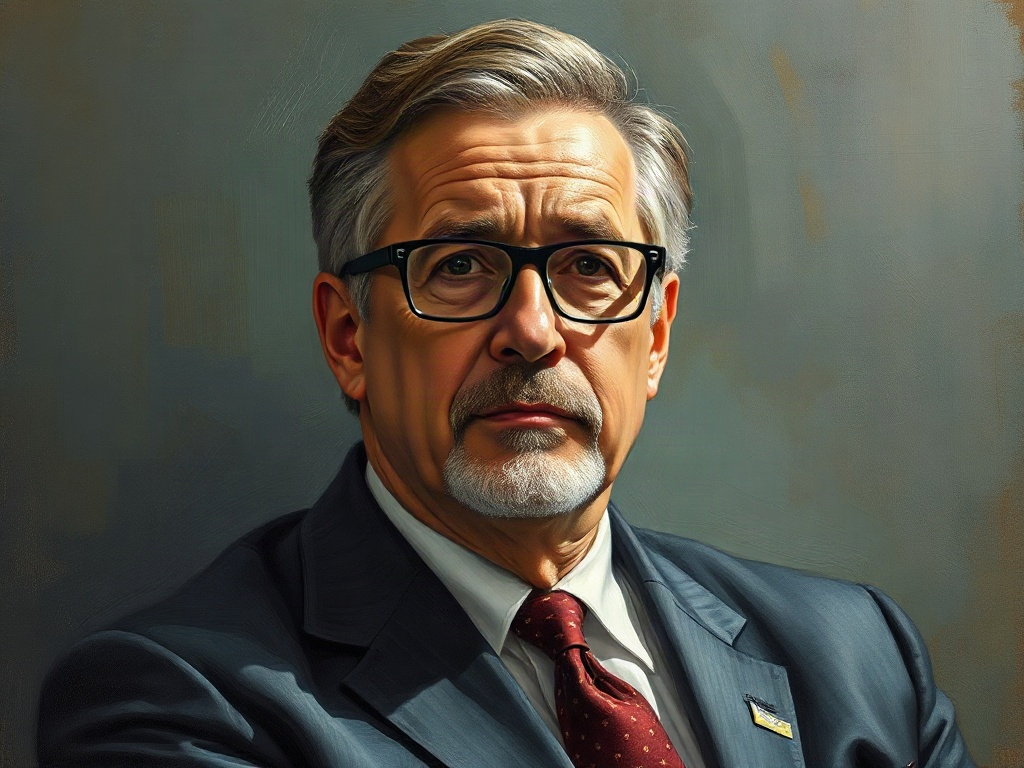
The role of the CEO continues to expand beyond traditional profit-and-loss responsibility. Leaders now balance investor expectations with employee wellbeing, regulatory demands, and long-term resilience. Navigating this complexity requires a mix of strategic clarity, operational discipline, and the ability to unite diverse stakeholders around a shared purpose.
Evolving priorities
– Purpose and culture: A CEO’s ability to define and embody company purpose is a top driver of retention, innovation, and brand trust. Culture-setting actions—transparent communication, role modeling, and aligned incentives—translate purpose into measurable behaviors.
– Stakeholder orientation: Investors expect returns, but customers, employees, suppliers, and communities demand ethical practices and responsiveness.
CEOs who treat stakeholder alignment as strategic risk management reduce volatility and open new markets.
– Sustainable value creation: Environmental, social, and governance (ESG) considerations are now central to strategy. CEOs focus on integrating sustainability into product design, supply chains, and capital allocation rather than treating it as a marketing add-on.
– Digital and data fluency: Executives sponsor digital transformation efforts that create operational efficiency and better customer experiences. Emphasizing data governance and analytics yields faster, more confident decision-making while preserving trust and privacy.
– Talent and leadership pipeline: With talent markets tight, CEOs prioritize leadership development and flexible work models that attract diverse skills. Succession planning and skills refresh cycles protect against disruption.
Core capabilities every CEO should cultivate
– Strategic thinking with adaptability: Set long-term direction while iterating quickly as markets shift.
– Communication and emotional intelligence: Build trust with employees, boards, customers, and regulators through clarity and empathy.
– Financial and operational rigor: Understand the levers that drive margin, cash flow, and capital efficiency; reinforce them with reliable metrics.
– Risk literacy: Anticipate geopolitical, cyber, regulatory, and supply-chain risks and embed mitigation into planning.
– Stakeholder diplomacy: Balance competing interests through transparent priorities and measurable commitments.
Board relations and governance
A high-functioning partnership between the CEO and board is essential. CEOs should proactively present scenarios, trade-offs, and evidence-based plans, allowing the board to advise on risk and strategy rather than micro-manage operations. Clear governance around succession, performance metrics, and crisis playbooks creates confidence and continuity.
Practical checklist for CEOs
– Clarify the top three strategic priorities and link them to quarterly milestones.
– Publish concise ESG commitments with near-term actions and measurable KPIs.
– Conduct a talent heat-map review to identify critical roles and development gaps.
– Establish a data-privacy and cyber-resilience audit with remediation timelines.
– Run a scenario-based stress test for supply chain disruptions and capital shocks.
Measuring success
Beyond revenue and earnings, modern CEOs track metrics that reflect long-term health: employee engagement, customer retention, carbon or resource intensity per unit of output, and the ratio of recurring to one-time revenue. Reporting these alongside traditional financials strengthens credibility with markets and stakeholders.
Leadership mindset
Resilient CEOs blend conviction with curiosity. They commit to a clear strategic north star while remaining open to course correction informed by data and stakeholder feedback.
That balance—decisive yet adaptable—is what consistently differentiates companies that thrive through uncertainty from those that merely survive.