 Terry David
High-Impact Leadership Strategies for Modern Teams
Strong leadership adapts to fast-changing conditions, balances empathy with results, and builds resilient teams that can learn and iterate.
The following strategies focus on practical steps leaders can apply to boost performance, engagement, and innovation across in-person, remote, and hybrid environments.
1.
Clarify purpose and measurable outcomes
Teams perform best when work connects to a clear purpose and measurable goals. Translate strategic priorities into a handful of measurable outcomes (OKRs or KPIs) and communicate how each role contributes. Regularly review progress at short intervals so teams can adjust before small problems compound.
Actionable tip: Limit top-level objectives to three and track a weekly or biweekly metric pulse so course corrections are fast.
2. Build psychological safety
Psychological safety—the belief that one can speak up without penalty—drives learning and innovation.
Encourage curiosity, normalize well-intentioned failure, and celebrate experiments regardless of outcome.
Leaders model vulnerability by admitting gaps in knowledge and inviting alternative views.
Actionable tip: Start meetings with a quick “one thing learned” round to normalize reflection and sharing.
3.
Practice structured delegation and decision rights
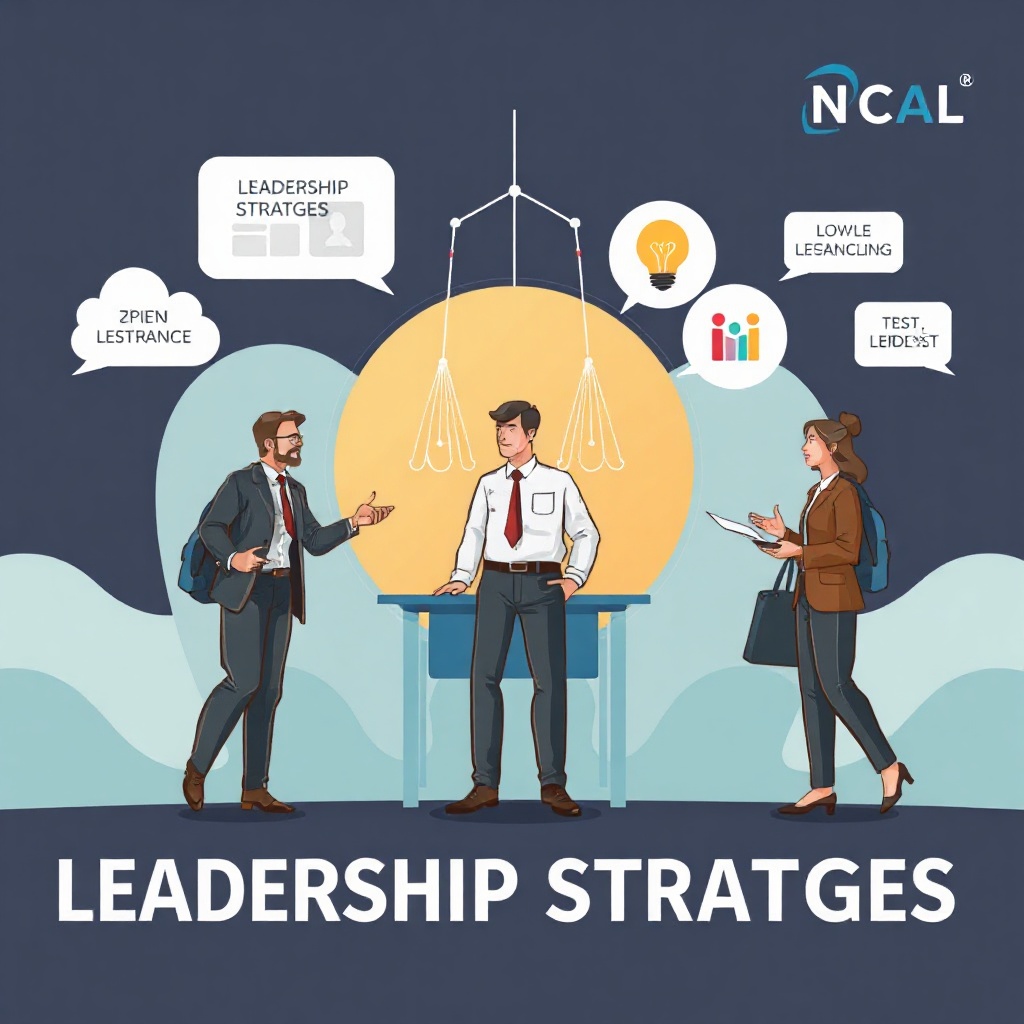
Avoid micromanagement by clarifying decision rights: what the leader decides, what the team decides, and what is delegated. Provide context, desired outcomes, constraints, and a deadline for decisions. This accelerates execution while keeping accountability clear.
Actionable tip: Use a simple RACI or DACI framework for new initiatives to remove ambiguity.
4.
Prioritize high-quality communication
Communication must be consistent, concise, and multi-channel. Use written summaries for decisions, short stand-ups for alignment, and asynchronous updates for distributed teams.
Prefer clarity over perfect polish—fast, clear information prevents misalignment.
Actionable tip: End key meetings with a one-paragraph summary emailed to stakeholders within 24 hours.
5. Coach more, command less
High-performing leaders spend time coaching to build capability. Replace top-down directives with questions that surface thinking: “What options have you considered?” “What would happen if we tried X?” Coaching increases ownership and develops future leaders.
Actionable tip: Allocate at least 30% of one-on-one time to career and skills coaching rather than status updates.
6. Create fast feedback loops
Rapid feedback helps teams iterate and reduce risk. Implement short retrospectives, customer feedback cycles, and data reviews. Make feedback actionable, timely, and specific to be useful.
Actionable tip: Use a “Stop/Start/Continue” format for monthly team retrospectives and track improvements publicly.
7. Use data to inform—not replace—judgment
Leverage data to identify trends, validate hypotheses, and prioritize choices. Combine quantitative metrics with qualitative context from frontline team members. Data should inform decisions while human judgment handles nuance and tradeoffs.
Actionable tip: Pair a dashboard metric with a short narrative that explains root causes and recommended actions.
8.
Foster adaptability and continuous learning
Encourage cross-functional projects, sandbox experiments, and dedicated learning time. Make learning visible by sharing wins and near-misses across the organization to spread knowledge.
Actionable tip: Sponsor a monthly “learning hour” where teams present experiments and insights.
Practical next steps
Choose one or two strategies to pilot this quarter. Set a measurable target (e.g., reduce decision time by 30%, increase employee-reported psychological safety) and review progress frequently. Small, consistent practice builds leadership muscle and creates a culture where teams thrive, adapt, and deliver predictable outcomes.