 Terry David
The Modern CEO: Leading with Vision, Agility, and Empathy
The role of the CEO has shifted from command-and-control to one that blends strategic vision, operational accountability, and human-centered leadership. Today’s chief executives must navigate rapid technological change, heightened stakeholder expectations, and a distributed workforce while keeping growth and resilience front and center.
Core priorities that set successful CEOs apart
– Strategic clarity: The CEO must define a focused set of priorities that link market opportunity to organizational capabilities. Clear trade-offs—what to invest in and what to deprioritize—help the company move decisively instead of spreading resources too thin.
– Talent and culture: Hiring and retaining high performers requires more than compensation. Purposeful culture, transparent communication, and opportunities for growth are essential to sustain productivity and innovation across in-office, hybrid, and fully remote teams.
– Customer obsession: CEOs who maintain a direct line to customers and frontline teams gain faster feedback loops.
Embedding customer insight into product, marketing, and sales decisions reduces risk and accelerates product-market fit.
– Digital fluency: Leaders who understand how data, automation, and platform thinking translate into business outcomes can spot efficiency gains, new revenue models, and competitive threats earlier.
– Risk and resilience: Strategic risk management—including supply chain robustness, cybersecurity, and regulatory preparedness—protects value and enables faster recovery from disruptions.
Practical habits of high-performing CEOs
– Allocate time to listening: Regularly scheduled dialogues with employees, clients, and partners surface blind spots and build trust. Town halls, roundtables, and customer visits remain essential routines.
– Translate strategy into measurable initiatives: Break down big goals into metrics, ownership, timelines, and resource plans. This turns ambition into operational reality.
– Empower leadership tiers: Delegation without abdication means setting clear outcomes while giving teams autonomy to experiment and iterate.
– Communicate decisively and frequently: Transparent updates during change reduce uncertainty and reinforce alignment.
Balancing short-term pressure with long-term value
CEOs often face competing pressures: quarterly performance, investor expectations, and the need to fund innovation.
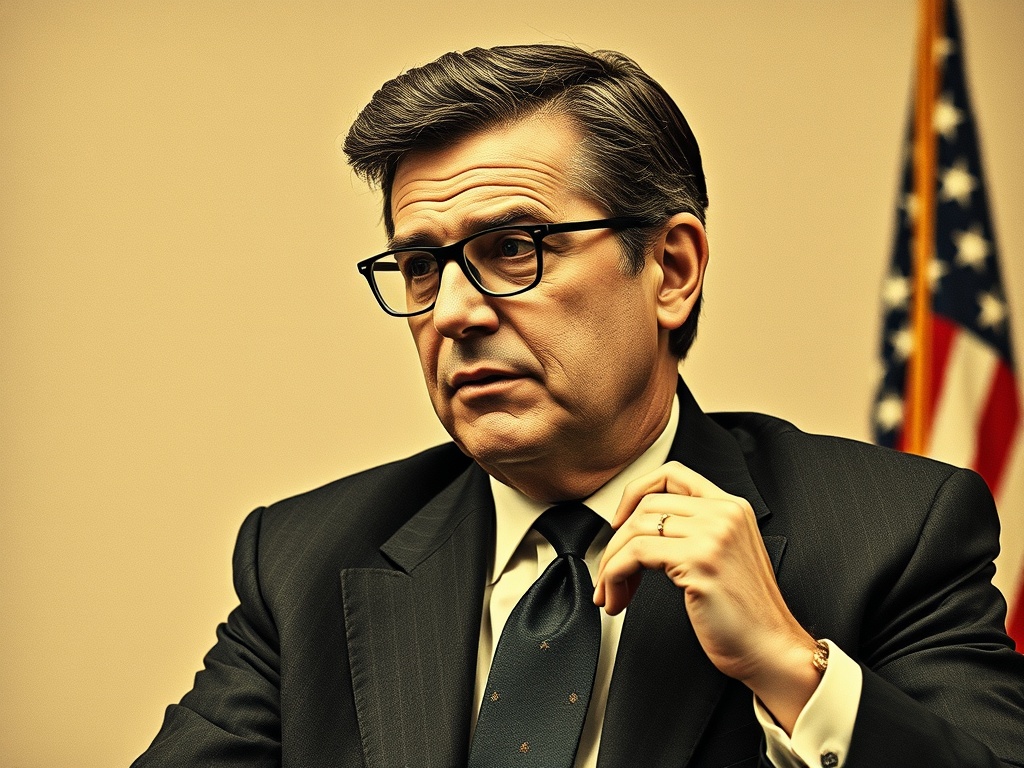
The most effective leaders balance near-term financial discipline with sustained investment in capabilities—brand, people, technology—that compound over time. Framing decisions through both lenses helps preserve optionality and future growth potential.
Stakeholder leadership beyond shareholders
Stakeholder expectations now include employees, customers, regulators, and communities. CEOs who integrate environmental, social, and governance (ESG) thinking into strategy unlock reputational benefits and lower long-term risk. Authenticity matters: commitments must be measurable and linked to core business activities.
Succession and legacy
Building a leadership pipeline and planning for succession are strategic imperatives. CEOs who cultivate internal talent and expose rising leaders to cross-functional challenges ensure continuity and preserve institutional knowledge.
Final thoughts for aspiring and current CEOs
Leadership today calls for clarity of purpose, operational rigor, and empathy. By aligning strategic priorities with a resilient culture and digital capabilities, CEOs can steer organizations through uncertainty while creating lasting value for all stakeholders. Continuous learning, candid communication, and disciplined execution remain the hallmarks of enduring executive leadership.